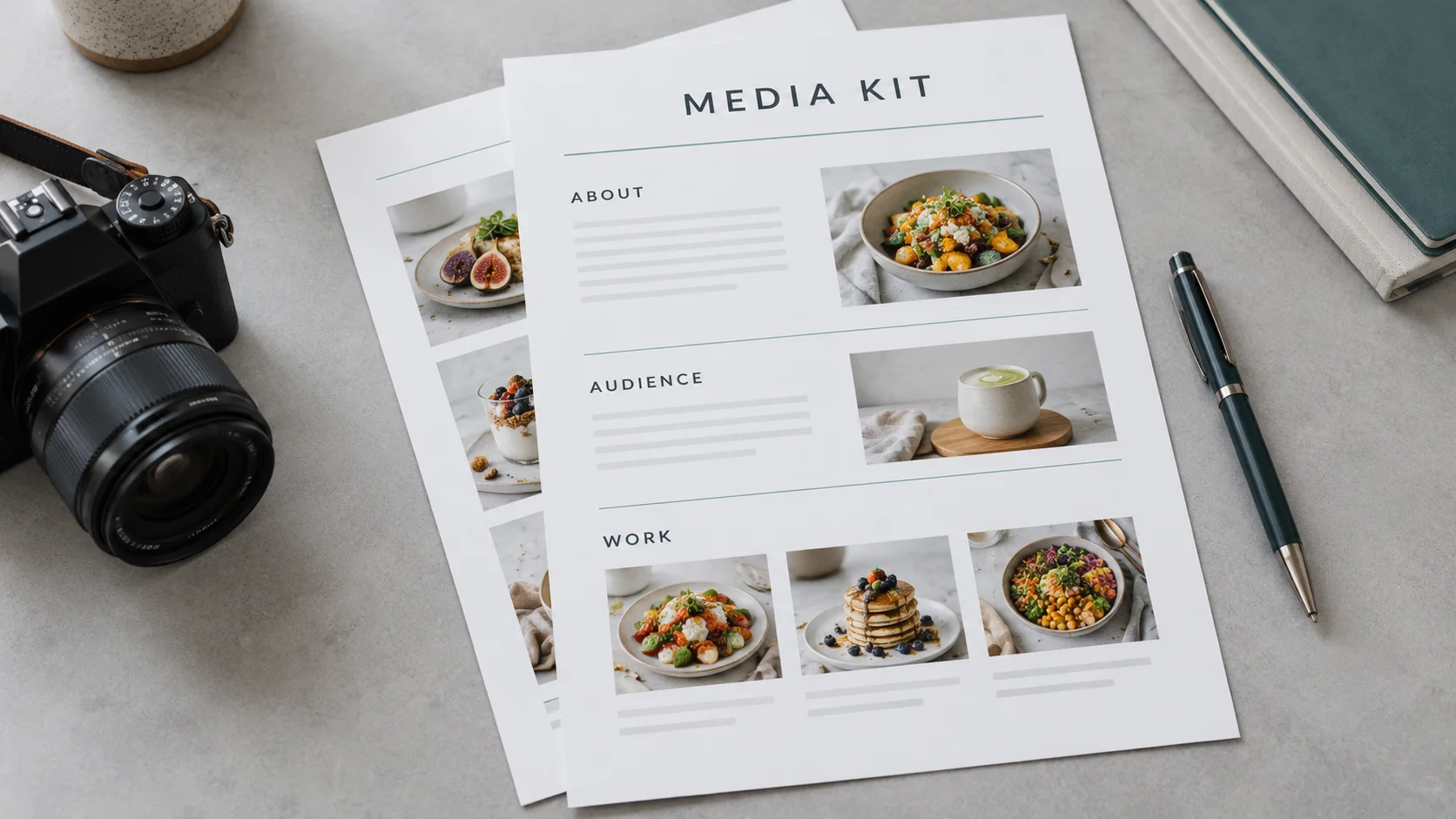
5 Ways Creators Can Work With Brands (Even Without a Large Following)
Explore sponsored content, product demonstrations, UGC, affiliate partnerships and brand ambassadorships, then choose a collaboration that suits your skills.
You enjoy creating content and have started building an audience. Now you're wondering: How can I turn my creativity into opportunities to work with brands?
You might think brand collaborations are only for influencers with thousands of followers. But businesses don't always need the biggest audience. Sometimes they need someone who understands a particular topic, creates engaging videos or knows how to explain a product.
The good news is that there isn't just one way to work with brands.
Whether you create food videos, beauty tutorials, technology reviews or lifestyle content, understanding the different collaboration types can help you identify opportunities that suit your skills.
Here are five common ways creators collaborate with businesses.
1. Sponsored Posts and Videos
What is it?
A business pays a creator to feature its product or service in content published on the creator's social media account.
For example, a local restaurant might collaborate with a food creator to produce a short video introducing its new menu.
The creator develops the content and shares it with their audience according to the agreed campaign requirements.
Who is it suitable for?
Creators who have an audience relevant to the business and regularly publish engaging content.
You don't necessarily need a huge following. A smaller, relevant audience may be useful to a business targeting a specific city, community or interest.
What should you clarify?
Agree on the content format, number of posts, publication date, payment and any requirements for revisions or advertising disclosures.
2. Product Reviews and Demonstrations
What is it?
A creator shows how a product works, explains its features or shares an experience using it.
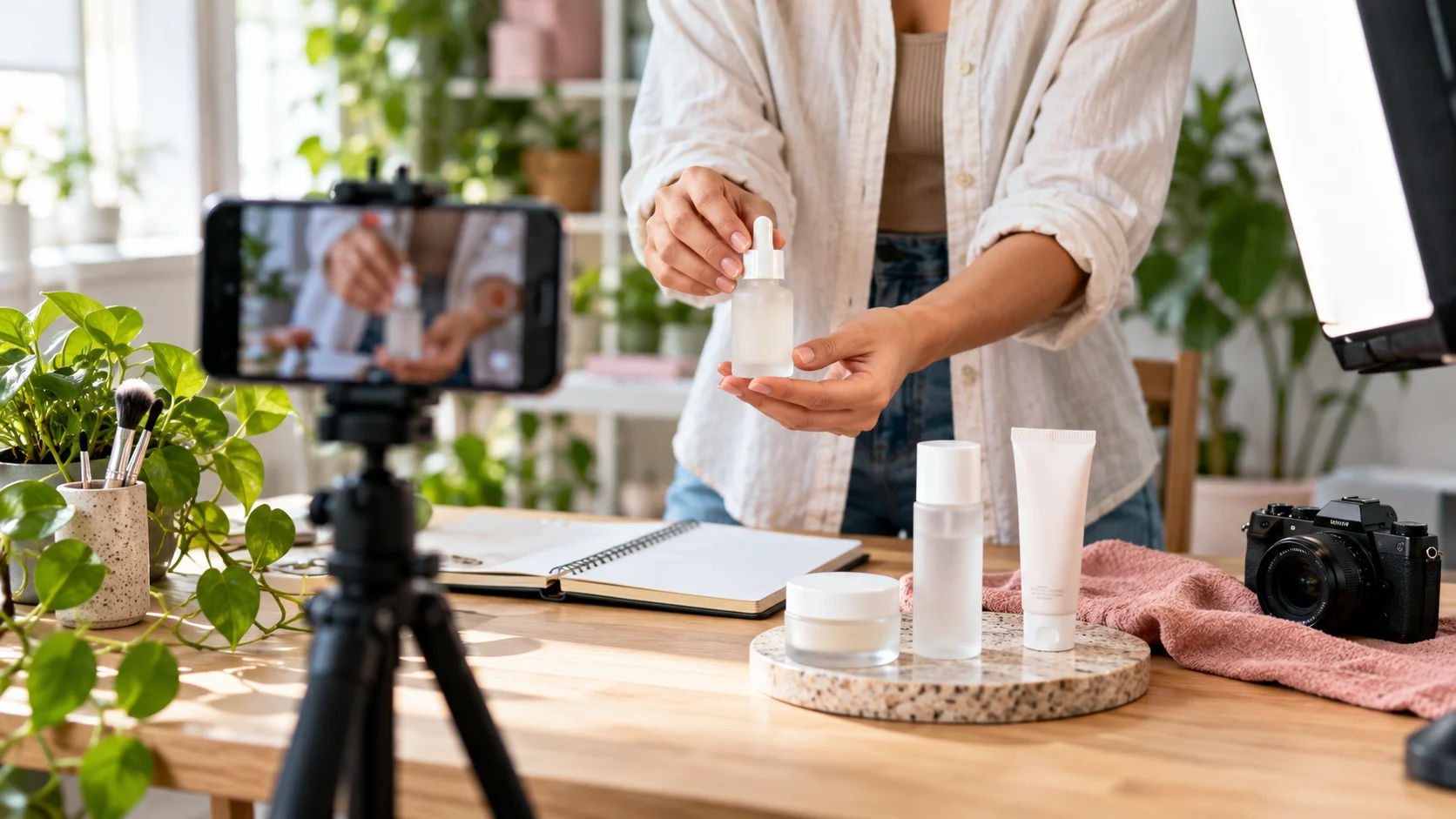
For example, a technology creator might demonstrate a wireless microphone, while a beauty creator might explain how they use a skincare product.
A business may pay for the content, provide a product or arrange another form of compensation.
Who is it suitable for?
Creators who enjoy explaining products, answering questions or producing educational content.
What should you clarify?
Understand whether the business expects a demonstration, an independent review or specific promotional content.
A paid collaboration should never require you to make claims you cannot support or pretend to like something you don't.
Also remember that gifted products and other benefits can create advertising disclosure obligations.
3. User-Generated Content (UGC) Creation
What is it?
A creator produces content that a business can use on its own website, social media channels or advertisements.
Unlike a typical sponsored post, you may not need to publish the content on your own account.
For example, a small skincare business might hire a creator to produce a short video demonstrating its product. The business then publishes the video on its own Instagram account.
Who is it suitable for?
Creators who are good at filming, editing, storytelling or demonstrating products—even if they have a small audience.
In this type of collaboration, the quality and suitability of your content may matter more than your follower count.
What should you clarify?
Agree on what content you'll deliver, how many revisions are included, where the business can use it and for how long.
Creating a video and granting permission to use it in paid advertising may involve different terms.
4. Affiliate Partnerships
What is it?
A creator recommends a product or service using a special link or discount code.
When someone makes a qualifying purchase through that link or code, the creator may earn a commission.
For example, a fitness creator might recommend equipment they regularly use and share an affiliate link with their audience.
Who is it suitable for?
Creators who regularly recommend products relevant to their content and have an audience interested in those recommendations.
What should you clarify?
Check how commissions are calculated, which purchases qualify, when payments are made and whether refunds affect earnings.
Affiliate income isn't guaranteed. It depends on the program's terms and whether qualifying purchases occur.
You should also clearly disclose affiliate relationships where required.
5. Brand Ambassadorships
What is it?
Instead of working together on a single post, a creator and a business establish an ongoing relationship.
The creator might produce several pieces of content over a few months, participate in campaigns or regularly introduce the brand to their audience.
For example, a sportswear business might collaborate with a fitness creator on monthly content featuring its products.
Who is it suitable for?
Creators who consistently produce content in a particular area and have a genuine connection with a brand's products or values.
What should you clarify?
Discuss the duration of the agreement, expected content, payment, exclusivity and whether you can collaborate with competing brands.
Longer relationships can offer continuity, but they also involve ongoing commitments.
Which Collaboration Type Should You Choose?
There is no single best option for every creator.
If you enjoy creating videos but haven't built a large audience, UGC creation may be a useful starting point.
If you have an engaged audience interested in a specific topic, sponsored content or affiliate partnerships may be worth exploring.
If you enjoy explaining products, consider demonstrations and reviews.
And if you already have a strong relationship with a business, a longer-term ambassadorship might make sense.
These collaboration types can also overlap. For example, a sponsored video might include a product demonstration or an affiliate link.
The important thing is to understand what you're offering and what the business expects in return.
Your Takeaway: Start With One Collaboration Offer
You don't need to offer every type of brand collaboration.
Choose one that matches what you already do well.
Ask yourself:
What kind of content could I confidently create for a business?
For example:
- If you create engaging short videos, consider offering product demonstrations.
- If you have a relevant audience, consider sponsored posts.
- If you enjoy creating content for others, consider UGC videos.
Once you've chosen, describe your offer clearly.
Instead of writing “Available for collaborations,” you could say:
“I create short product demonstration videos for beauty and skincare brands.”
That tells a business exactly what you can provide.
On Infloria, you can use your creator profile to present your skills and create an offer describing the collaboration you're interested in.
Start with one clear offer. You can expand as you gain experience and discover what works best for you.